Our heritage
From prehistoric settlement to collegiate life, the heritage of St John’s is woven into the history of the Durham peninsula.

From prehistoric settlement to collegiate life, the heritage of St John’s is woven into the history of the Durham peninsula.
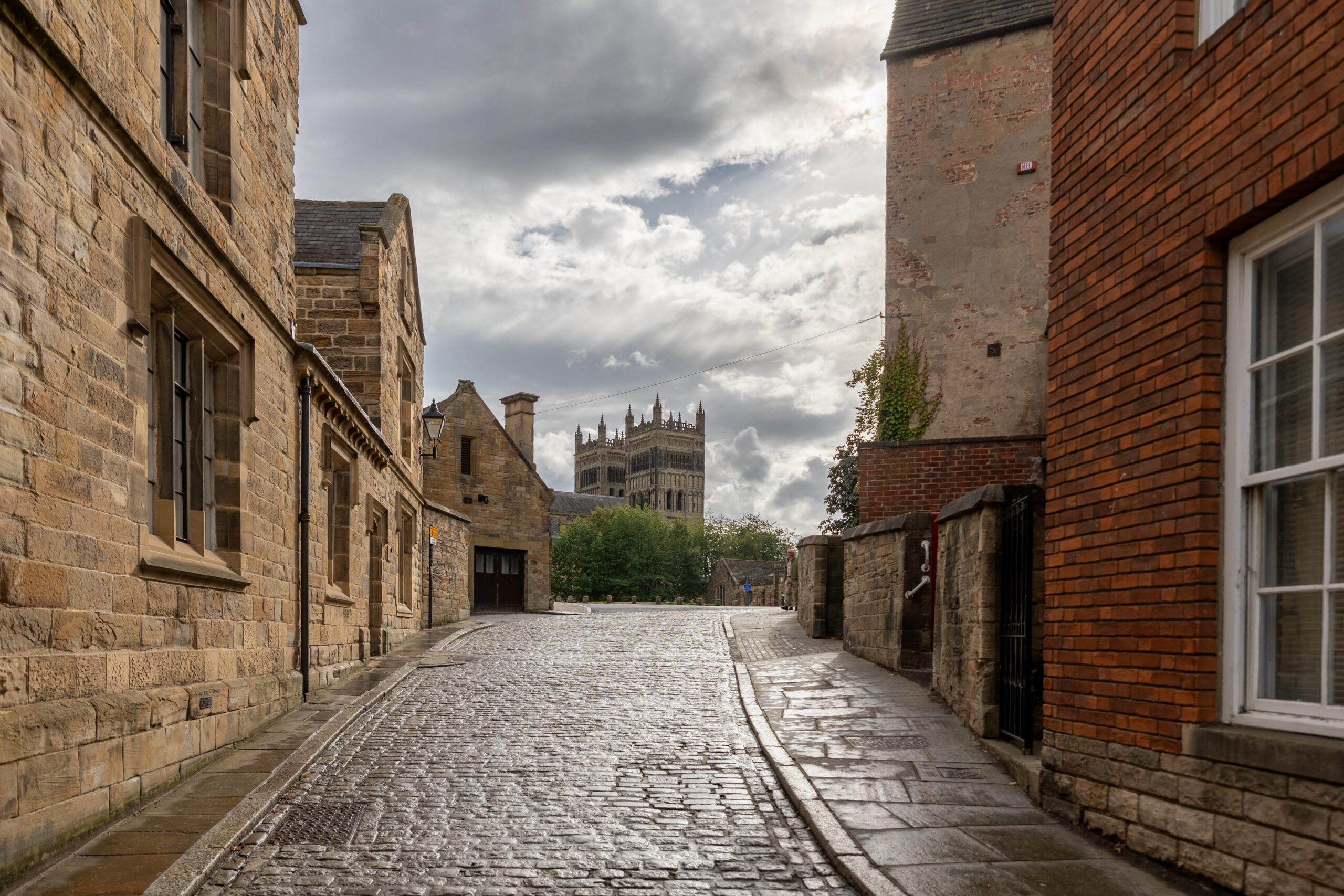
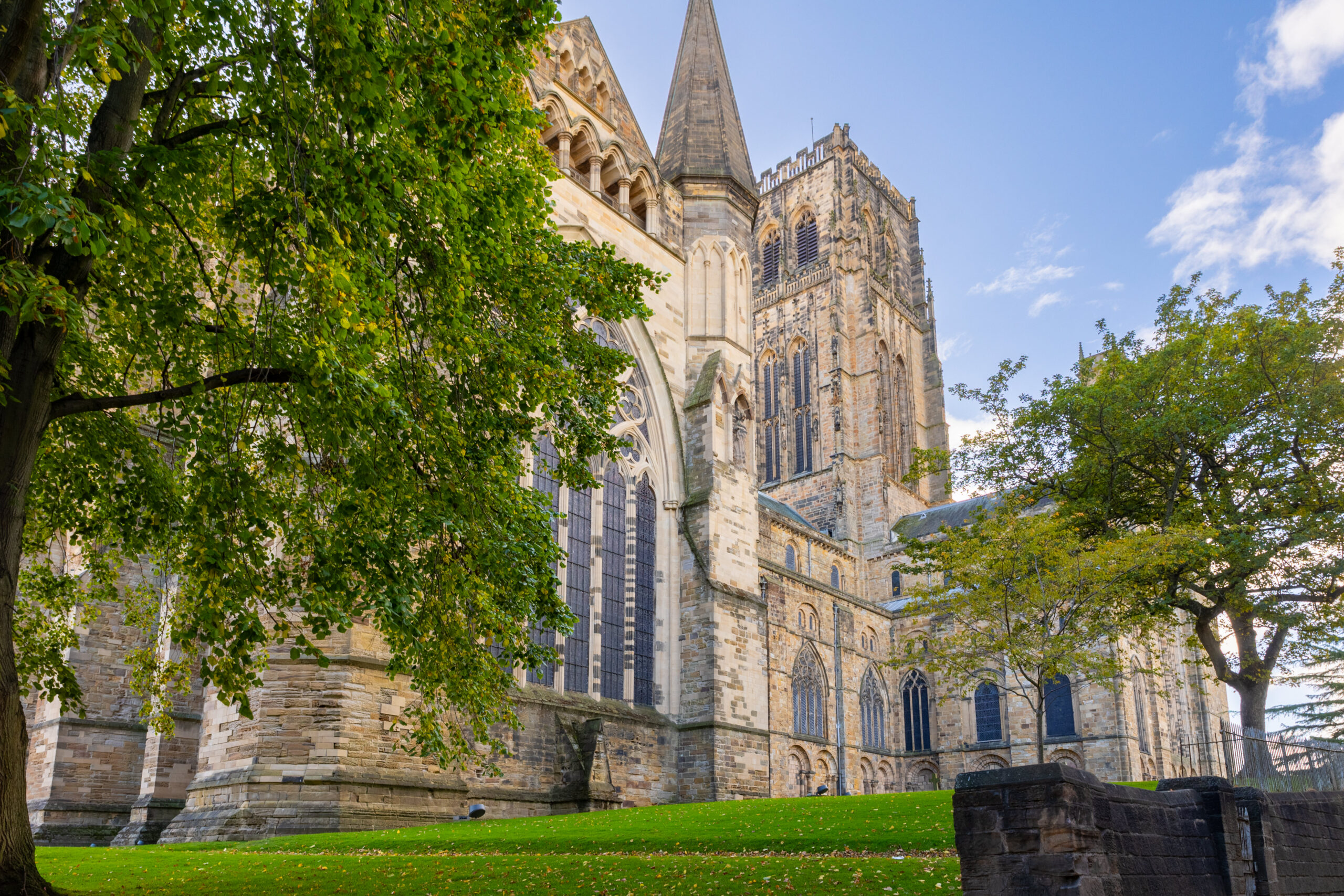
The Durham Castle and Cathedral UNESCO World Heritage Site has been a place of learning, worship and community for over 1,000 years. Inscribed by UNESCO in 1986 for its outstanding universal value, the site is stewarded today by Durham Cathedral, Durham University, Durham County Council and St John’s College.

Alice Liddell, the inspiration for Alice in Wonderland, was a regular visitor to Bowes House — now part of St John’s College — where her great-great-grandmother once lived.
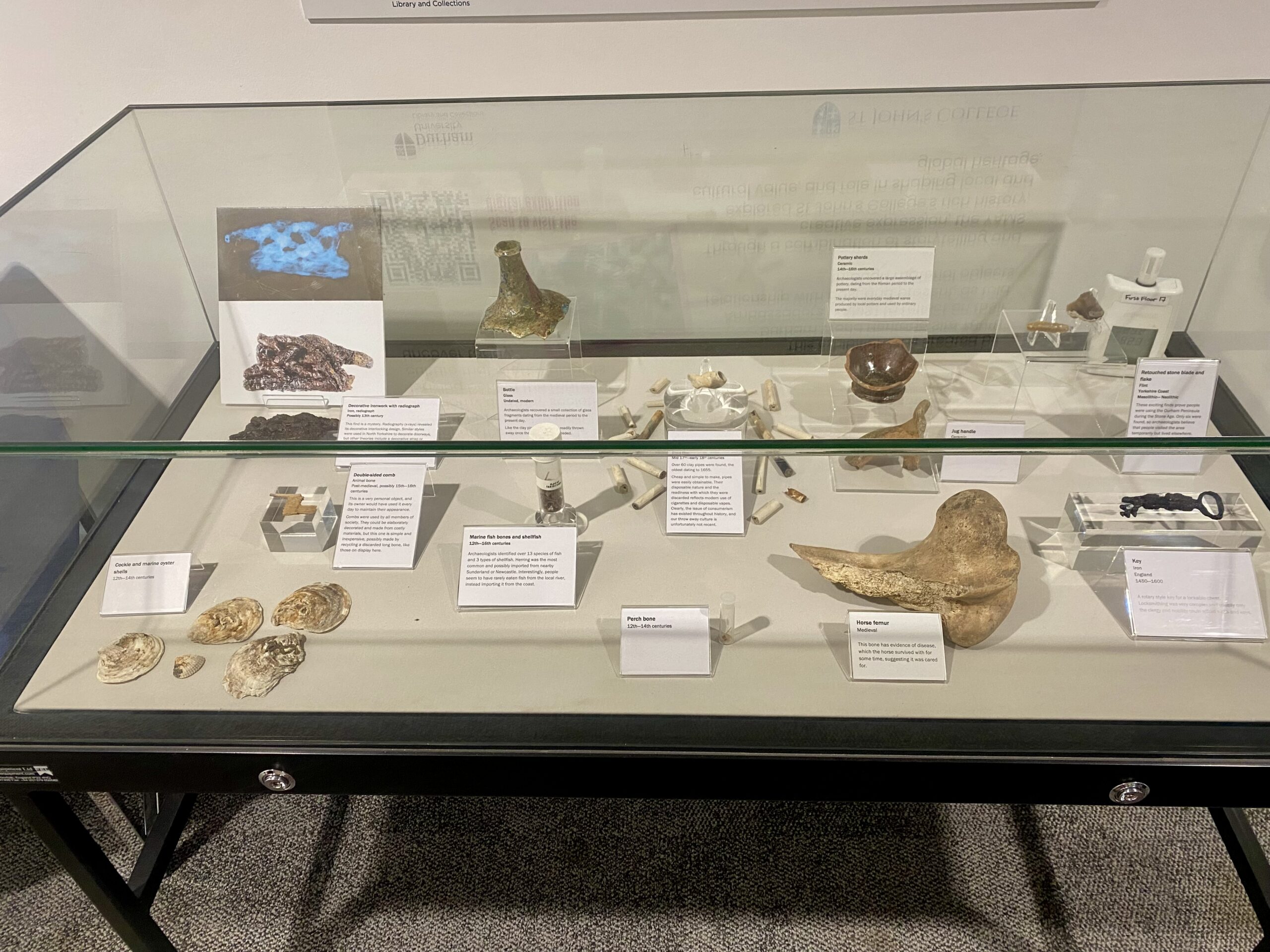
In 2017, archaeologists working on the site of the new library at St John’s uncovered a wide range of artefacts dating from prehistory to the present day, including animal bones, pottery and metalwork. The discoveries were significant, pushing back evidence of human occupation on the Durham peninsula by around 7,000 years. Archaeologists now know that people were living here during the Mesolithic period, that there was an Iron Age farmstead on the site, and that the peninsula was occupied long before the arrival of the Community of St Cuthbert.
This exhibition was produced by the Durham Castle and Cathedral UNESCO World Heritage Site Youth Ambassadors (YAMs), a group of young people aged 12–24 who work to open up the World Heritage Site to wider audiences through projects, events and exhibitions such as this one.
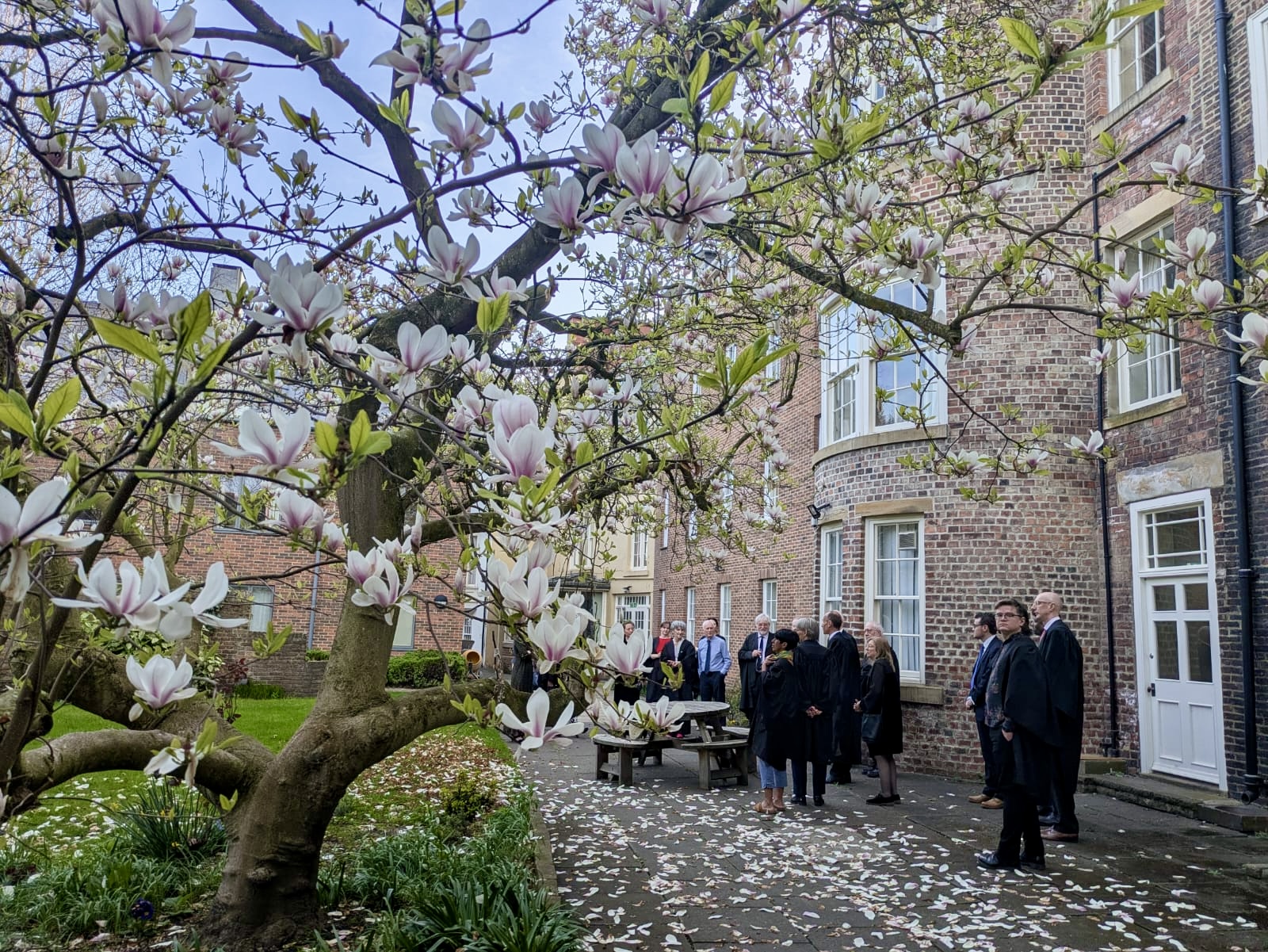
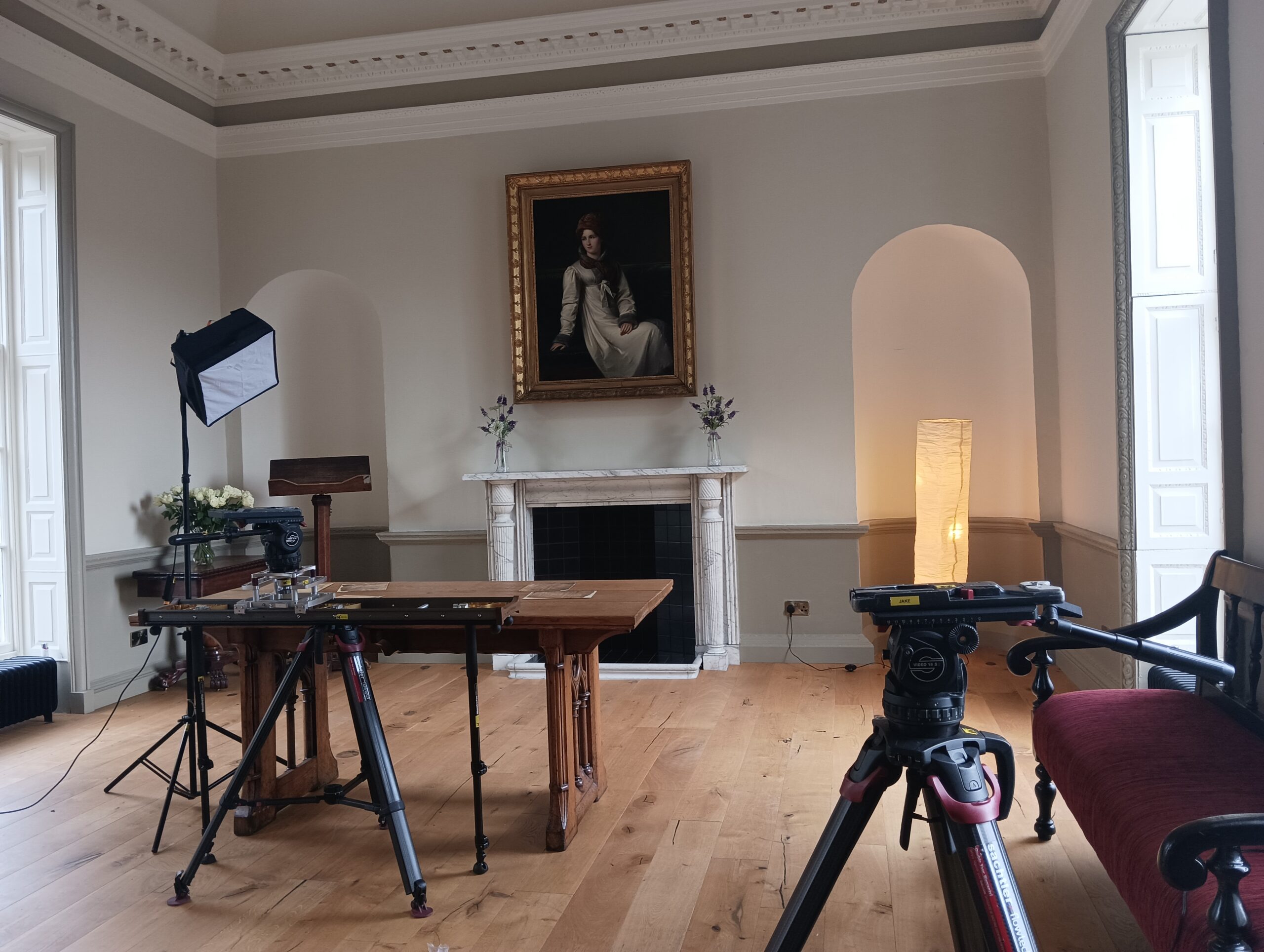
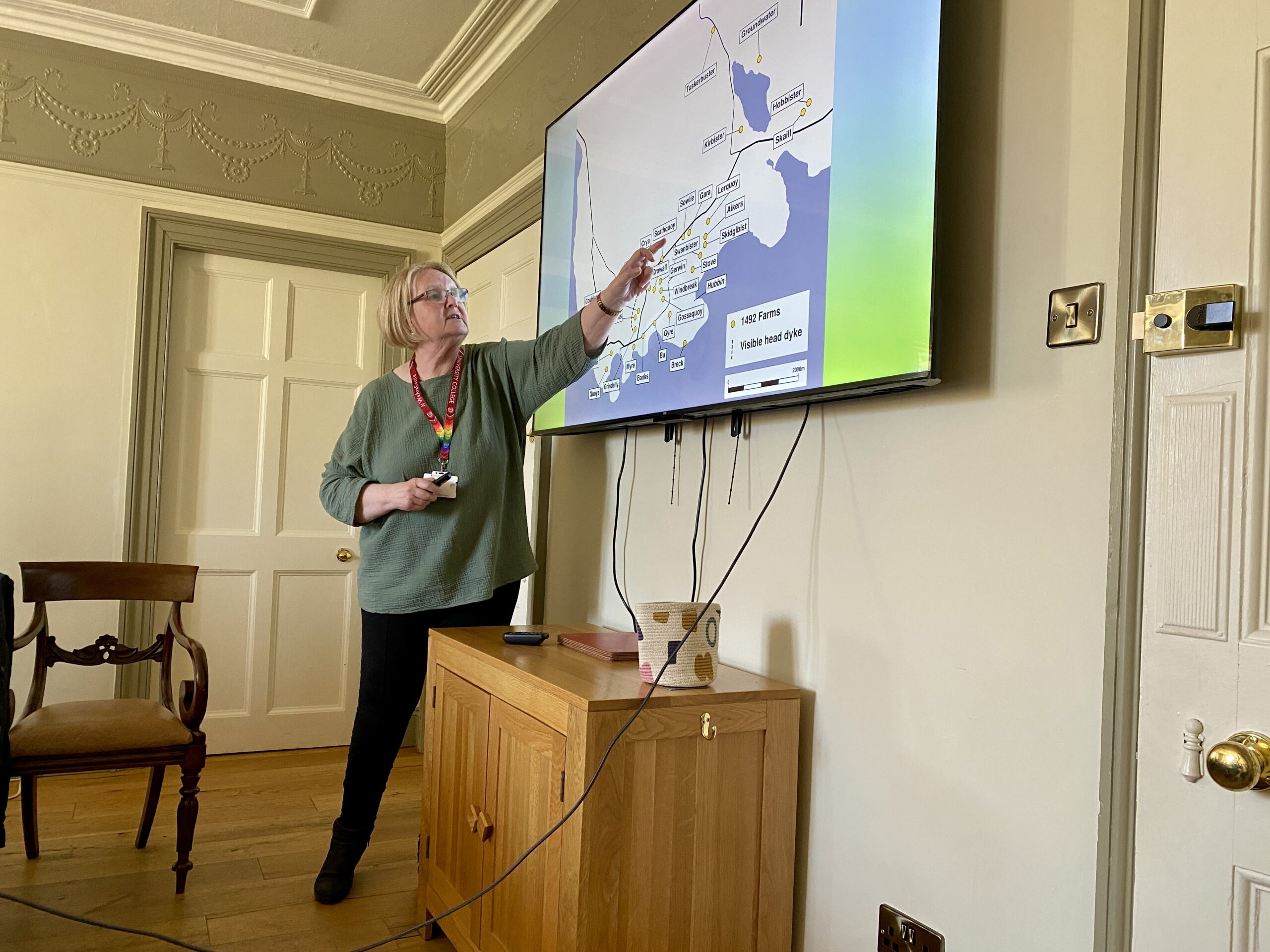
At St John’s, we are proud stewards of a rich historic environment and enjoy sharing it with both the College community and wider public. Throughout the year, the College hosts public engagement events including Secret Gardens of St John’s, heritage talks, tours, research seminars and exhibitions, helping open up the history, landscape and stories of the Durham peninsula to new audiences. The College’s historic buildings and gardens have also featured in documentary filming and wider heritage projects.
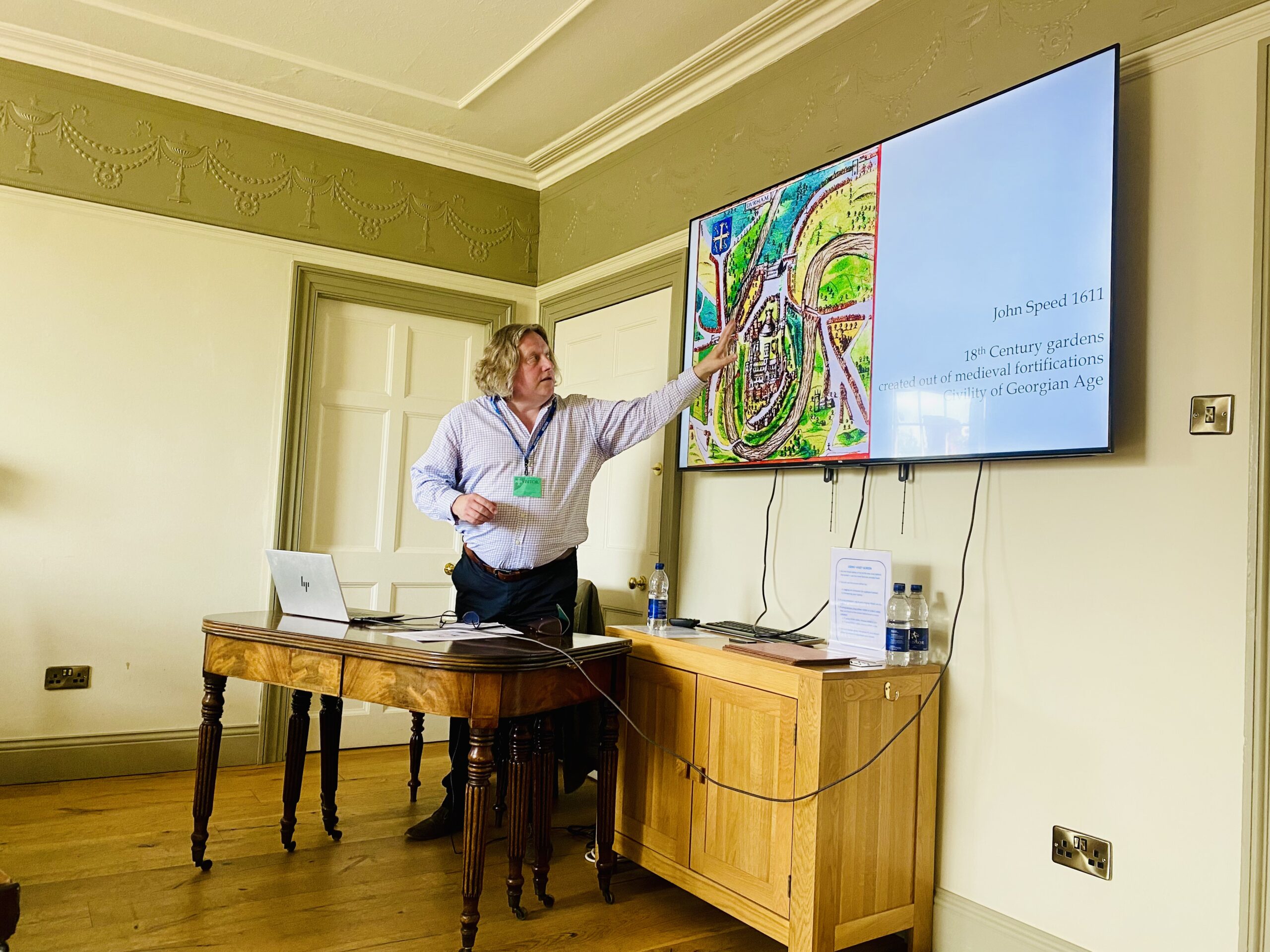
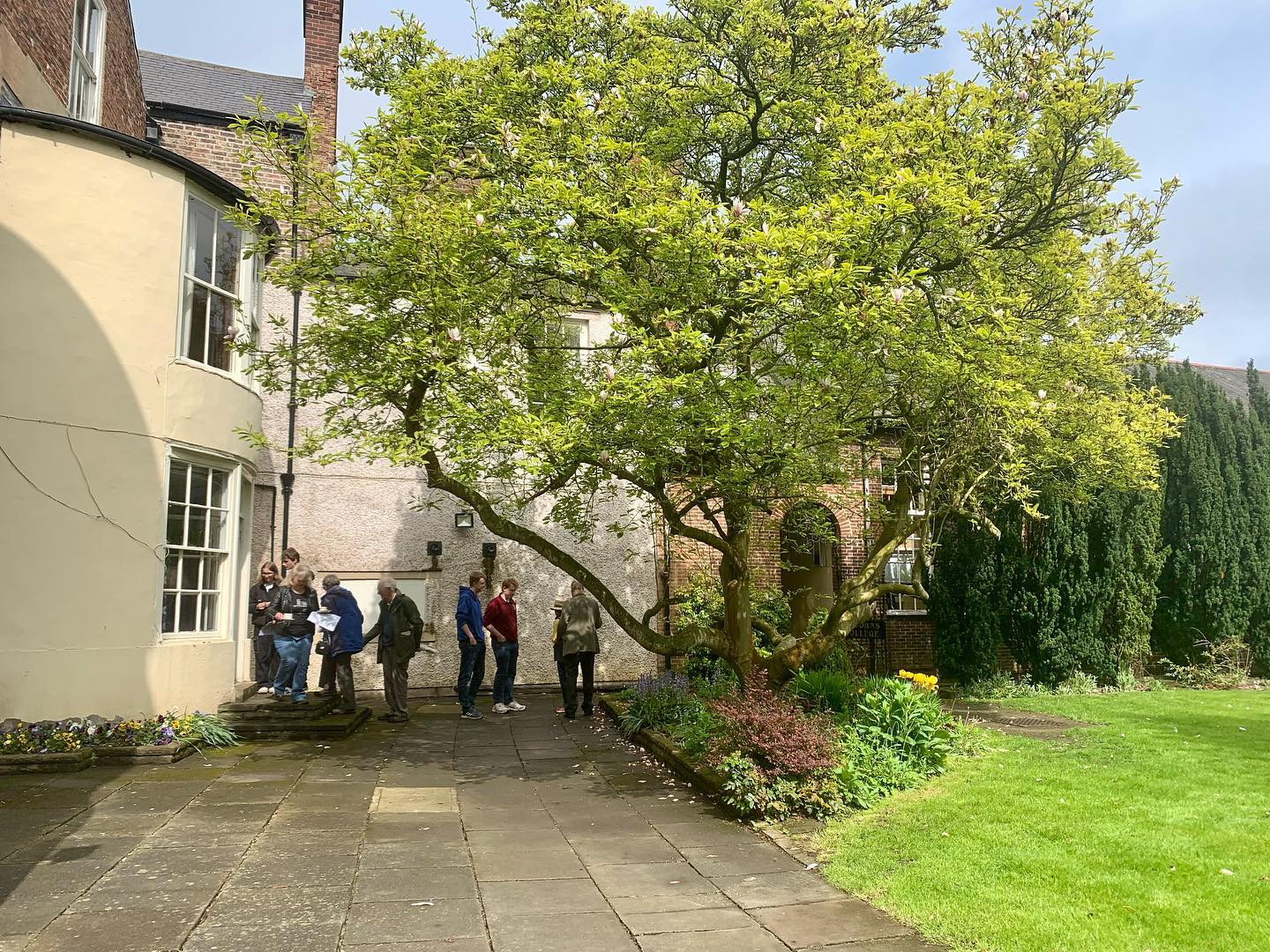
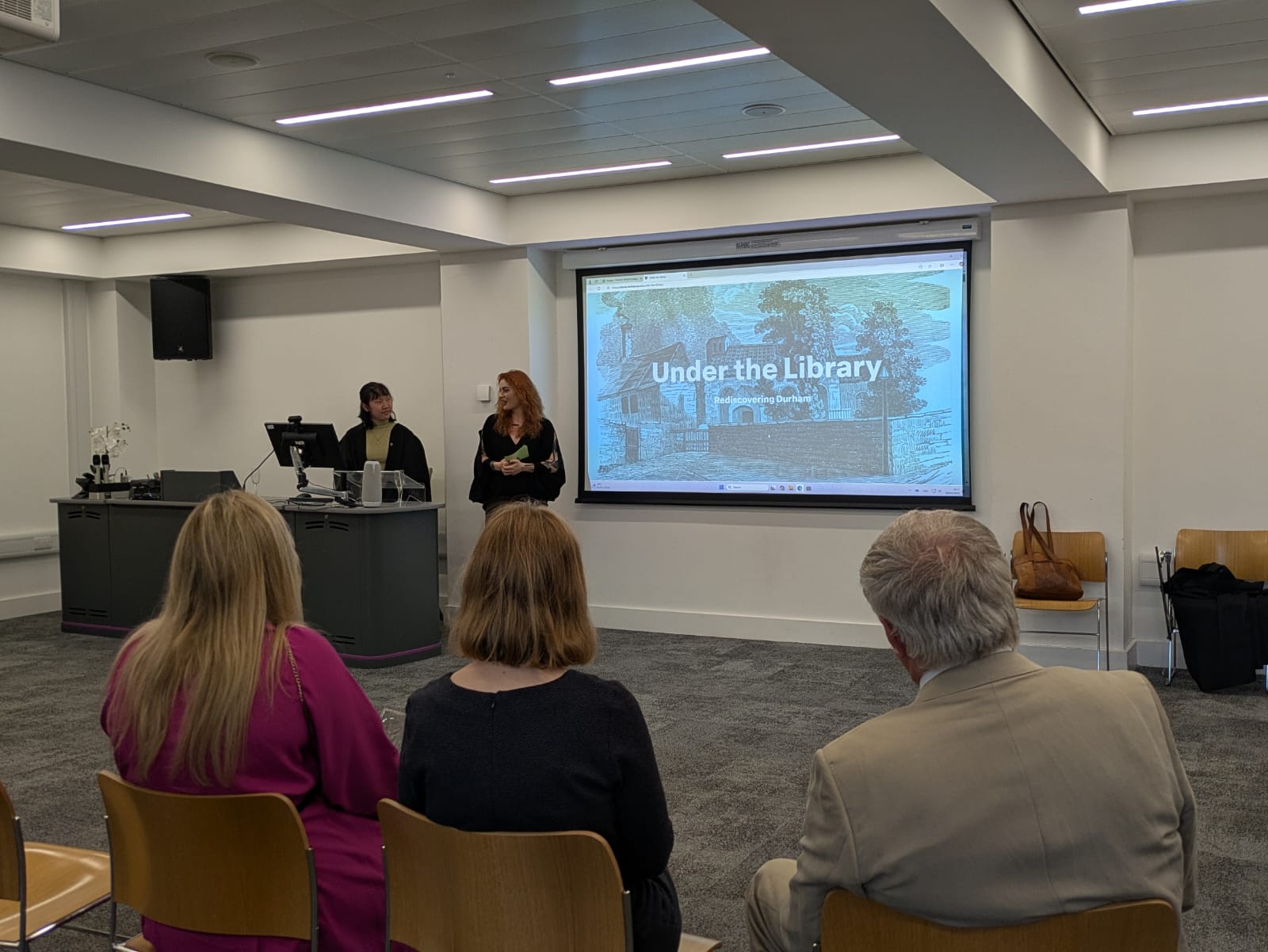
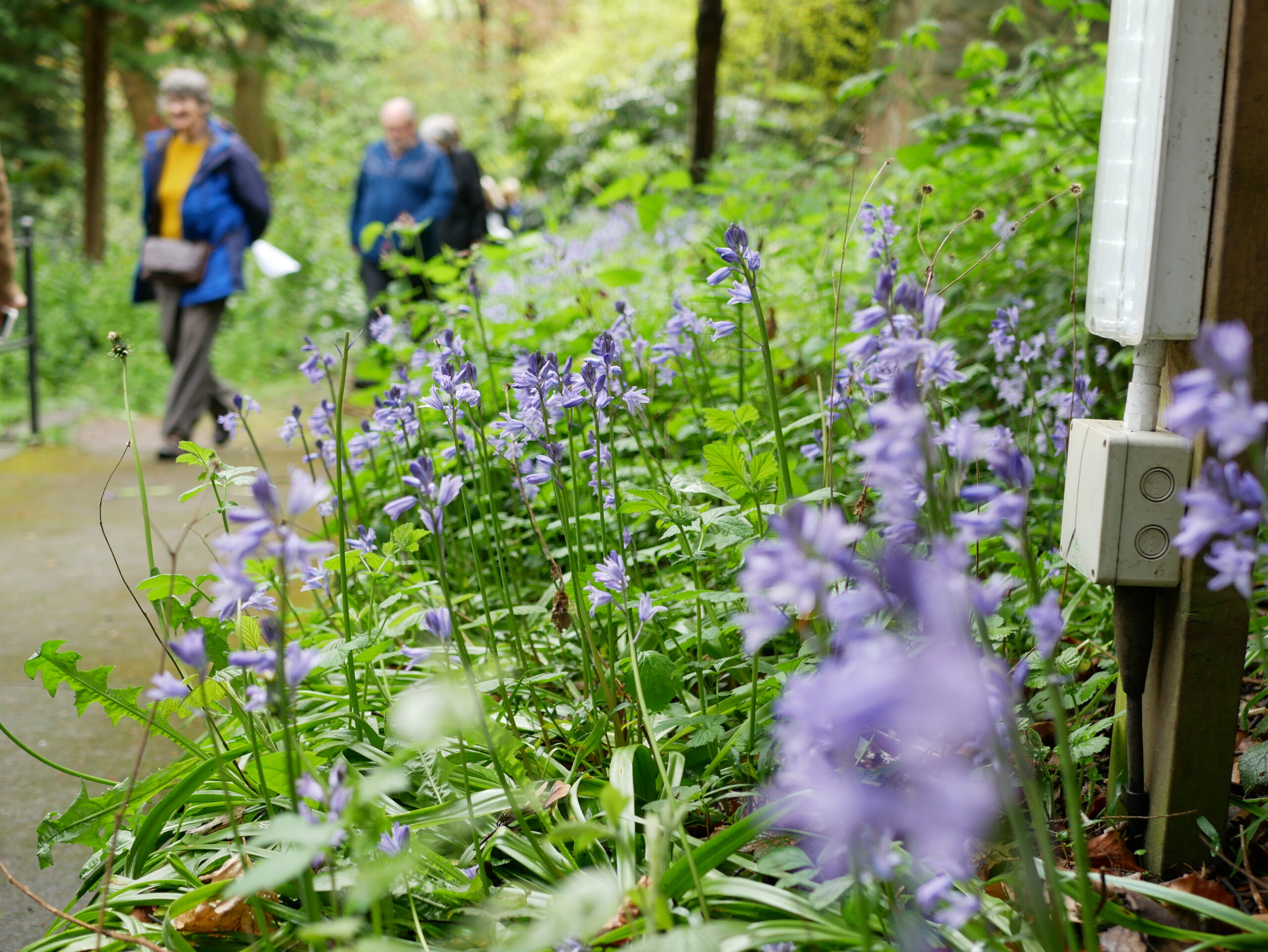
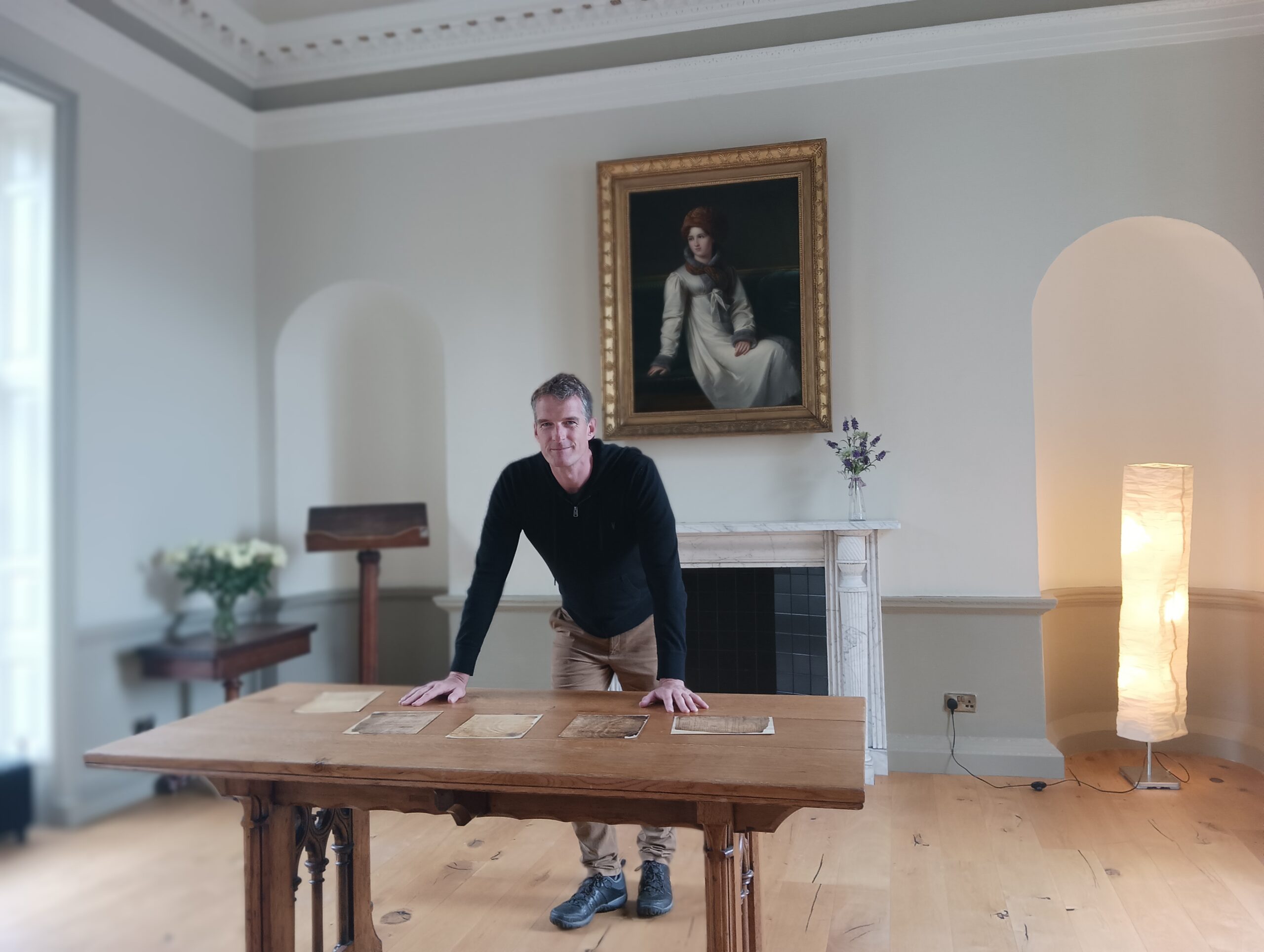
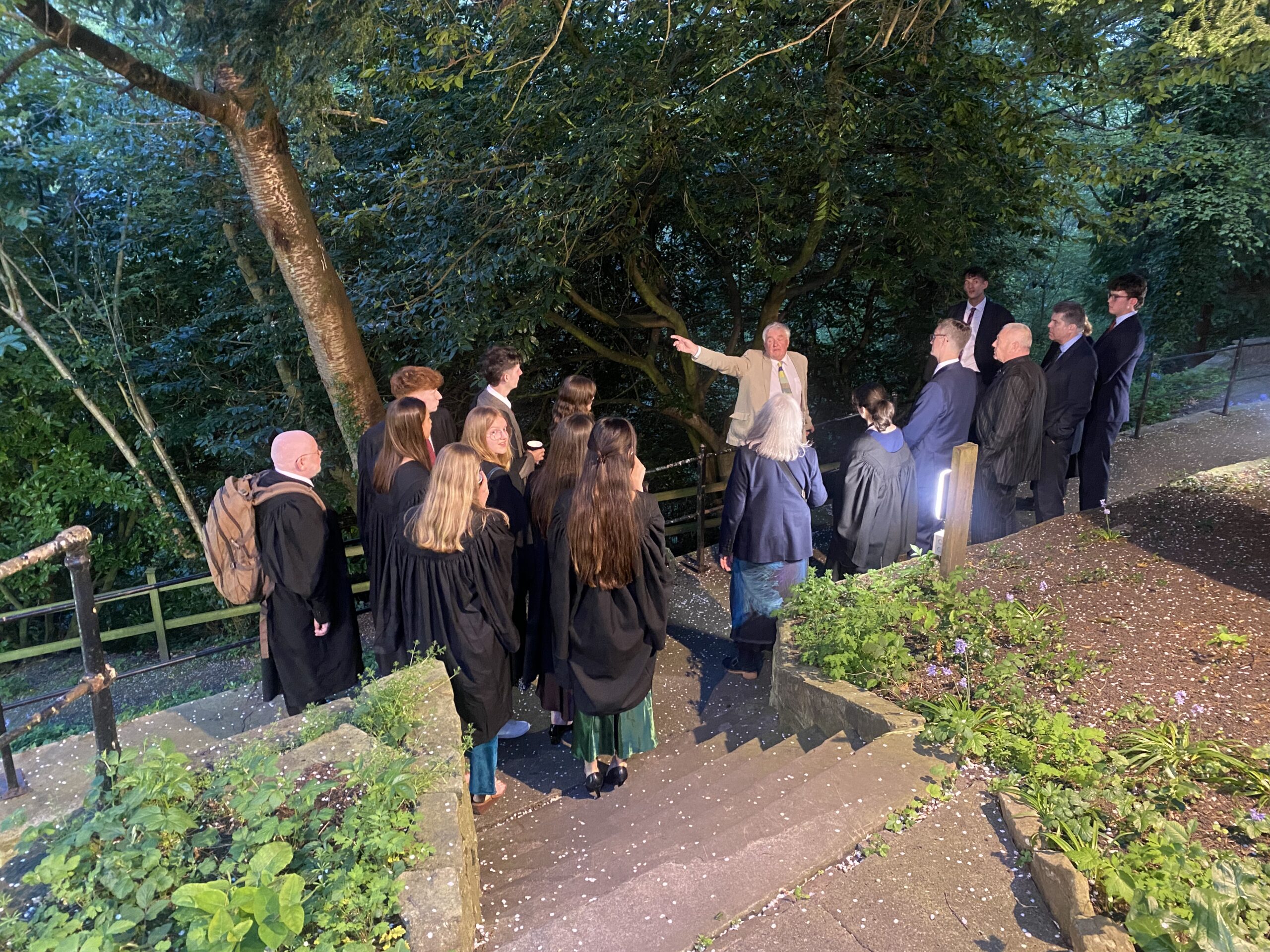

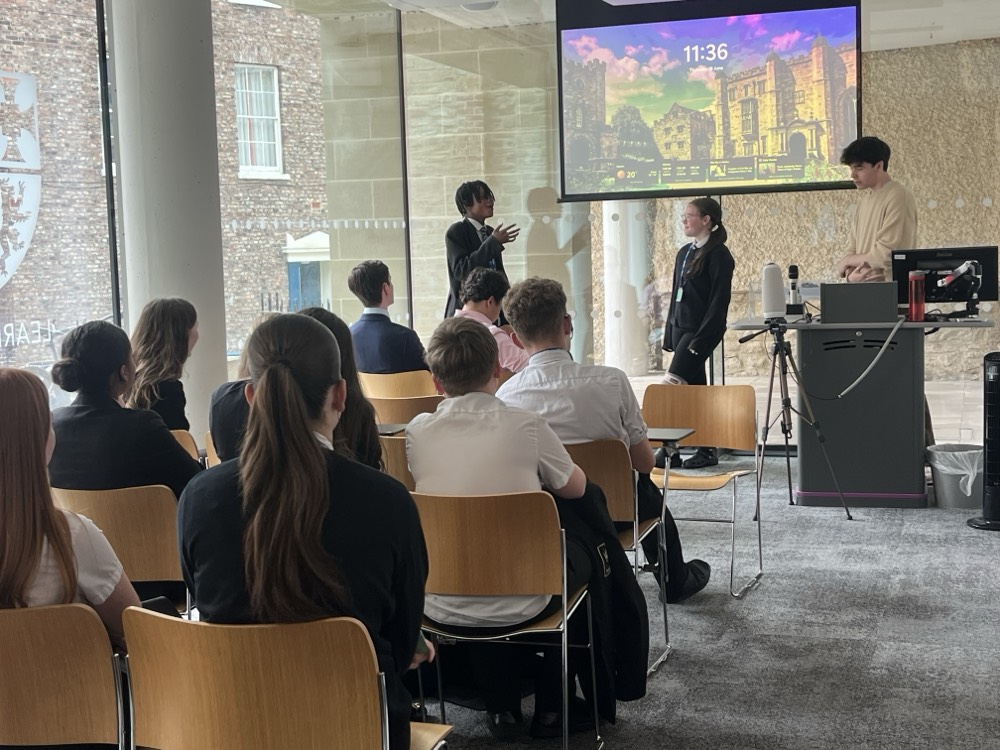
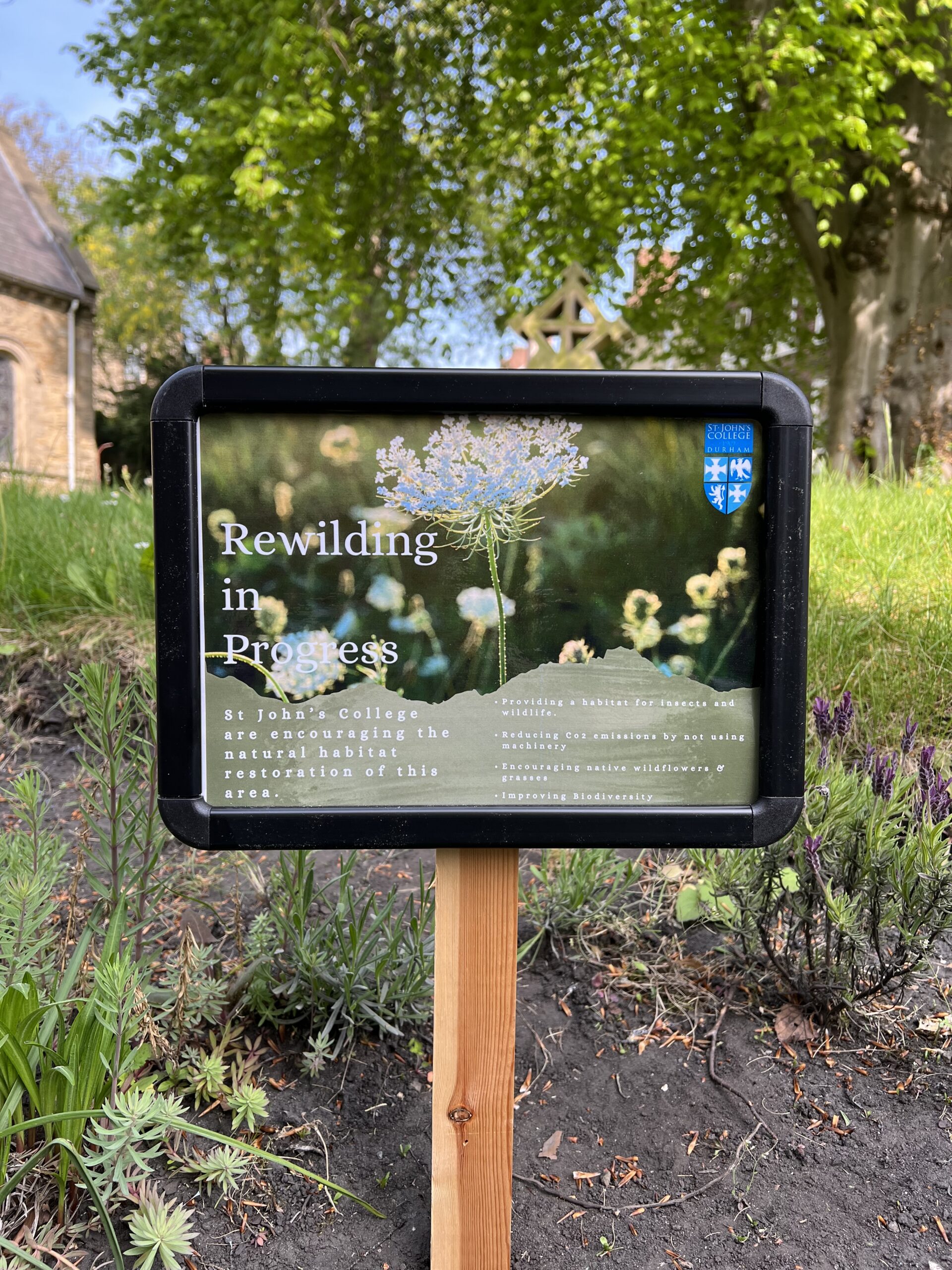

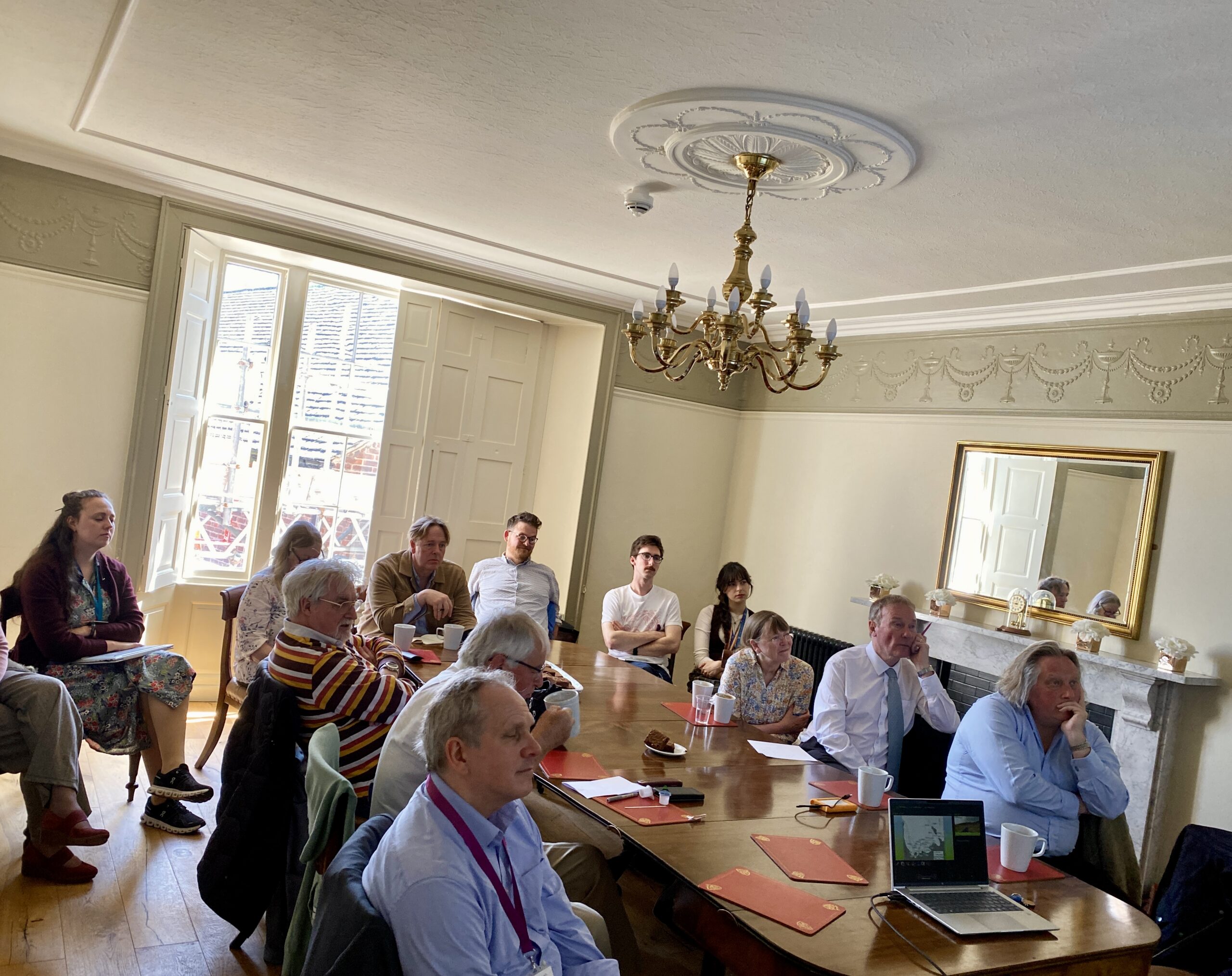

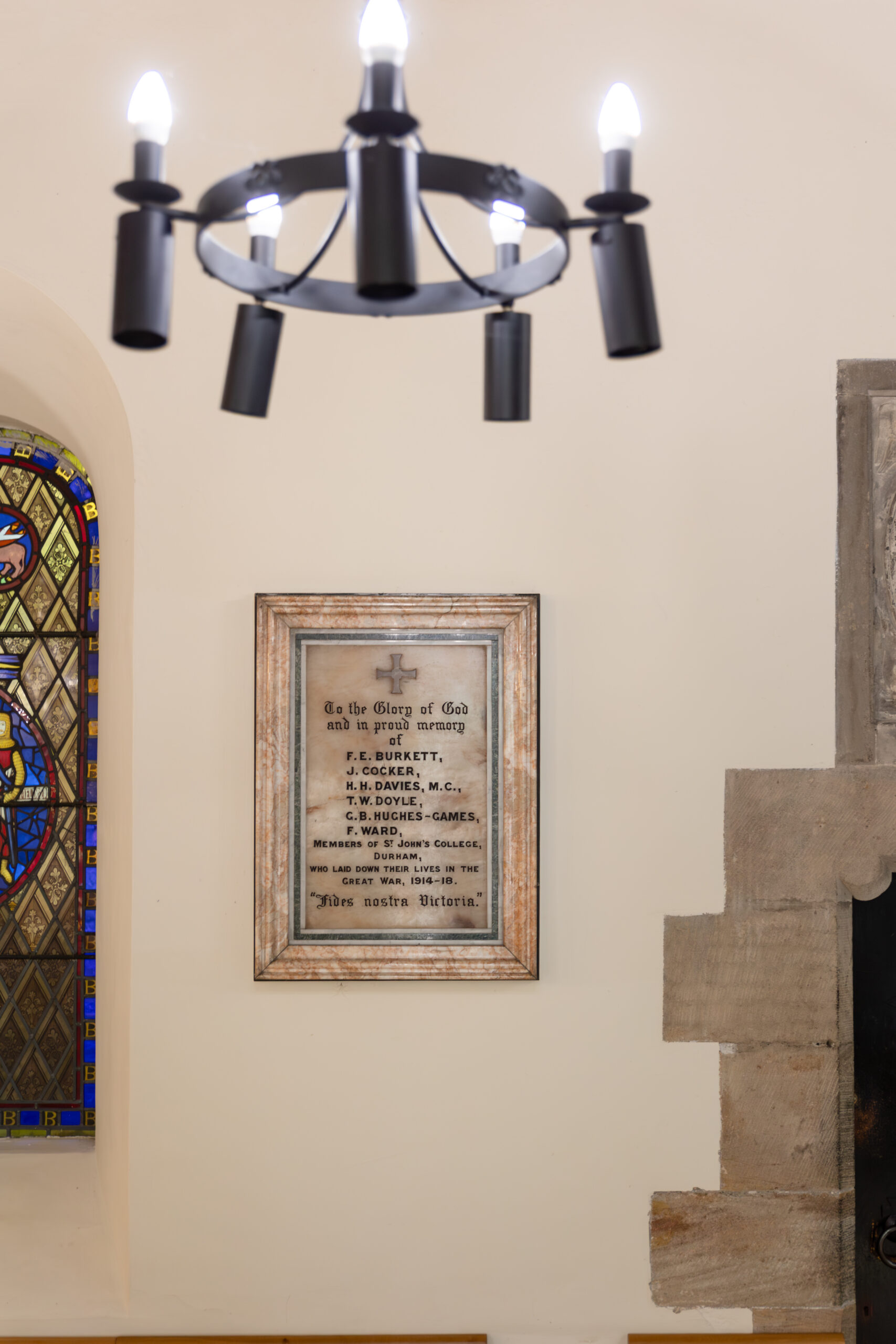
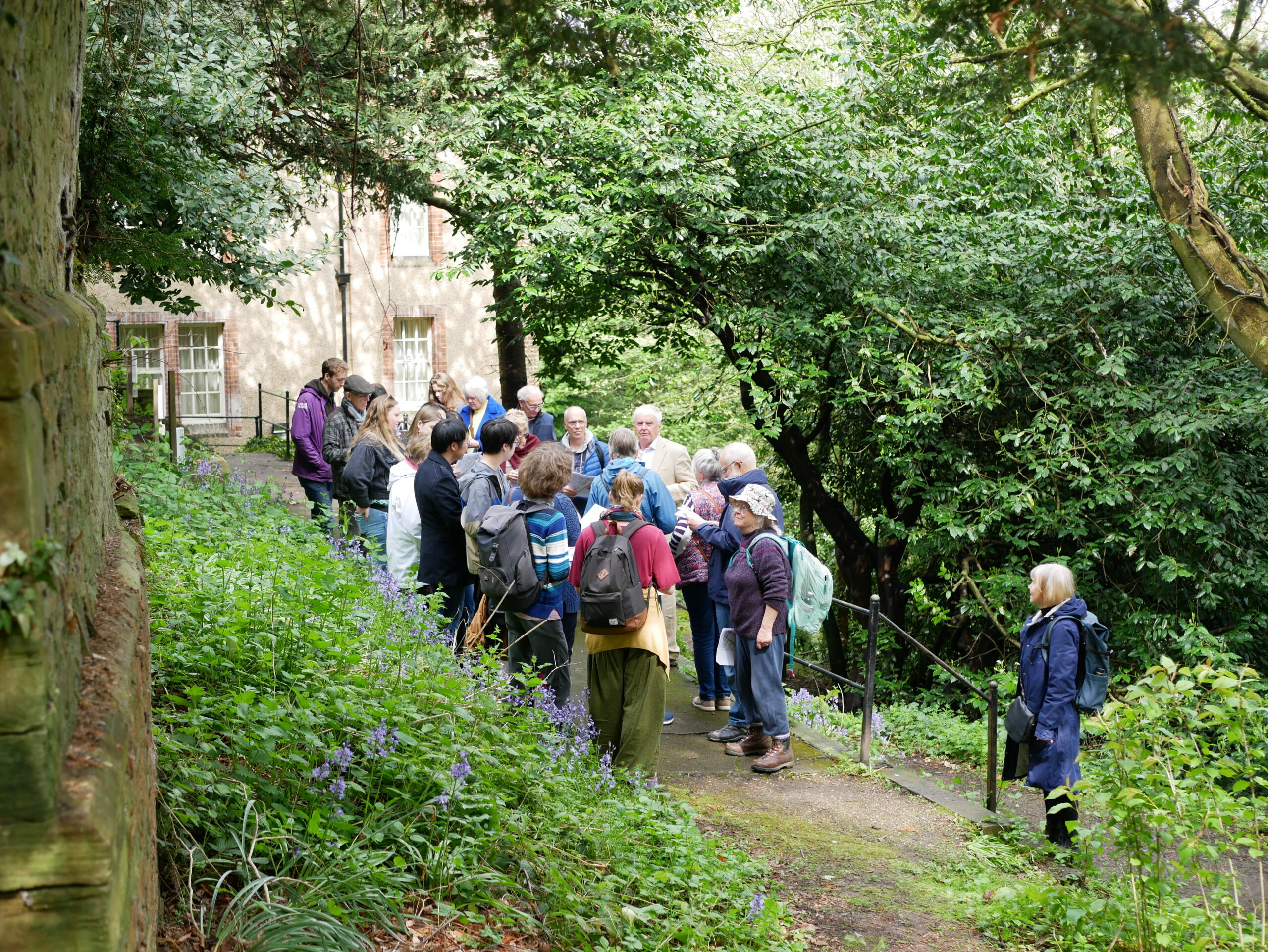

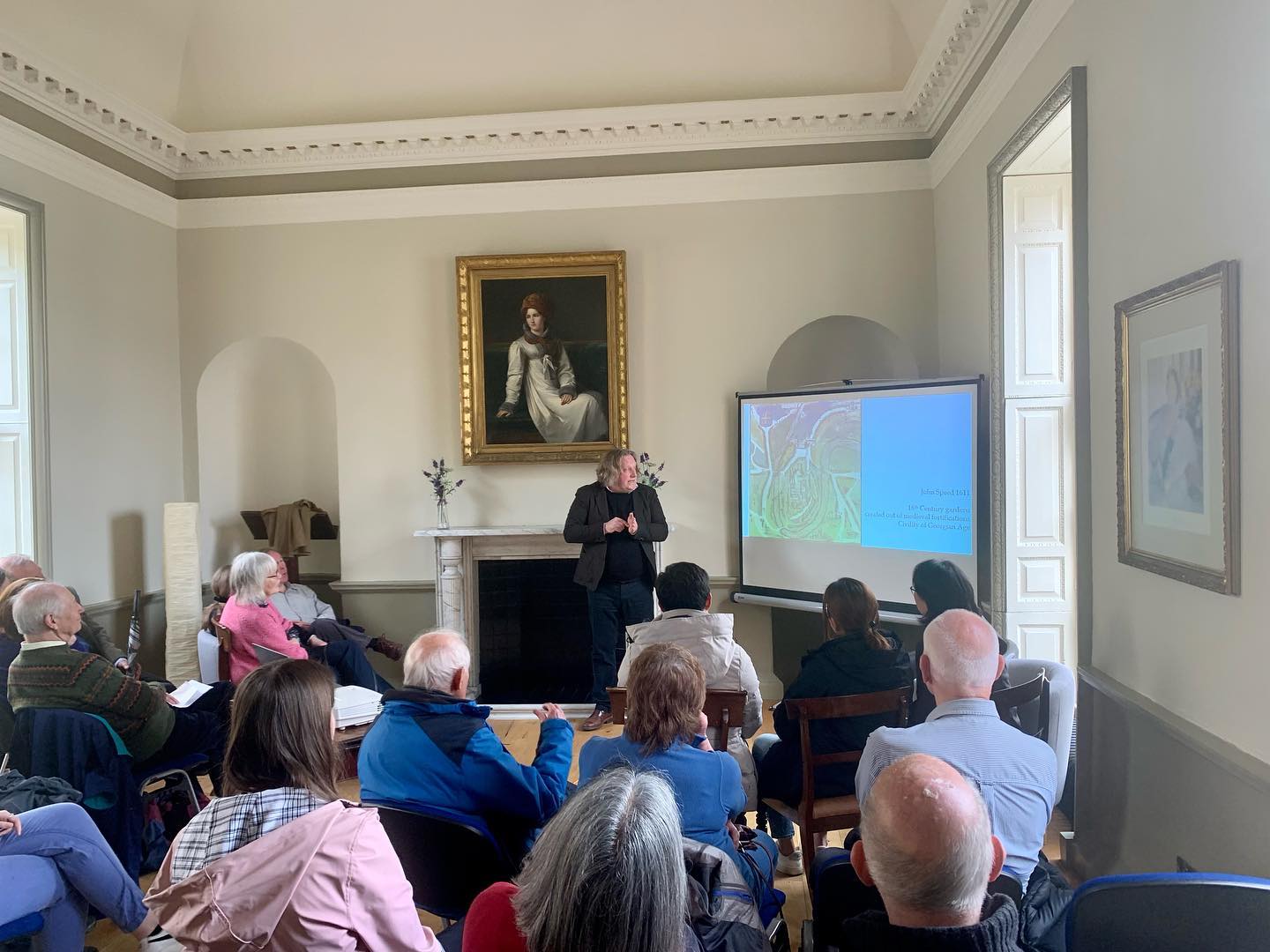
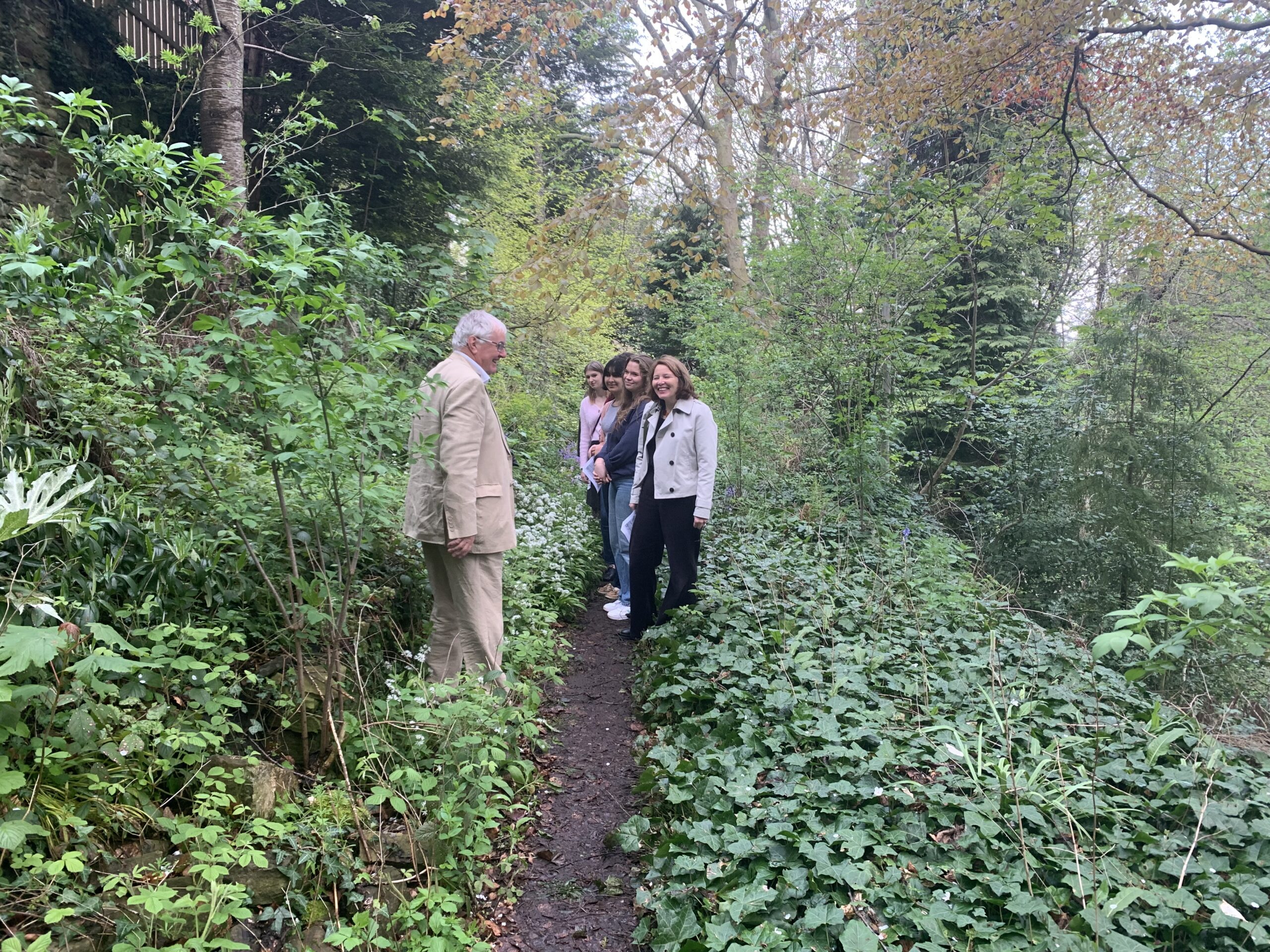





Located on the outer bailey of the historic castle, the site of St John’s College has been a meeting place where people have exchanged knowledge and ideas for centuries. The College continues this tradition and curates the site with love and care, ensuring that it is conserved and enhanced for future generations.
Dr Anne Allen, World Heritage Site Manager
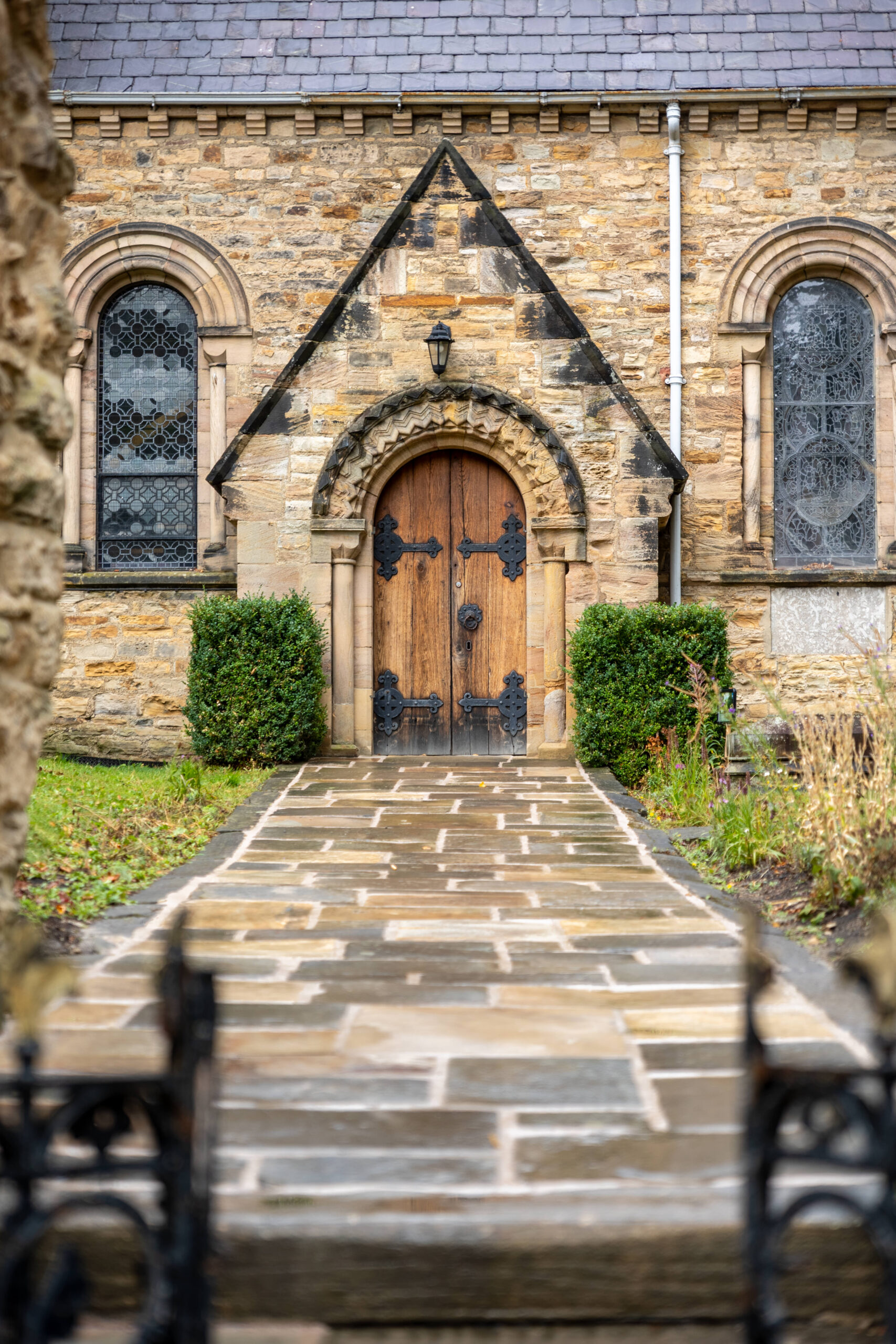
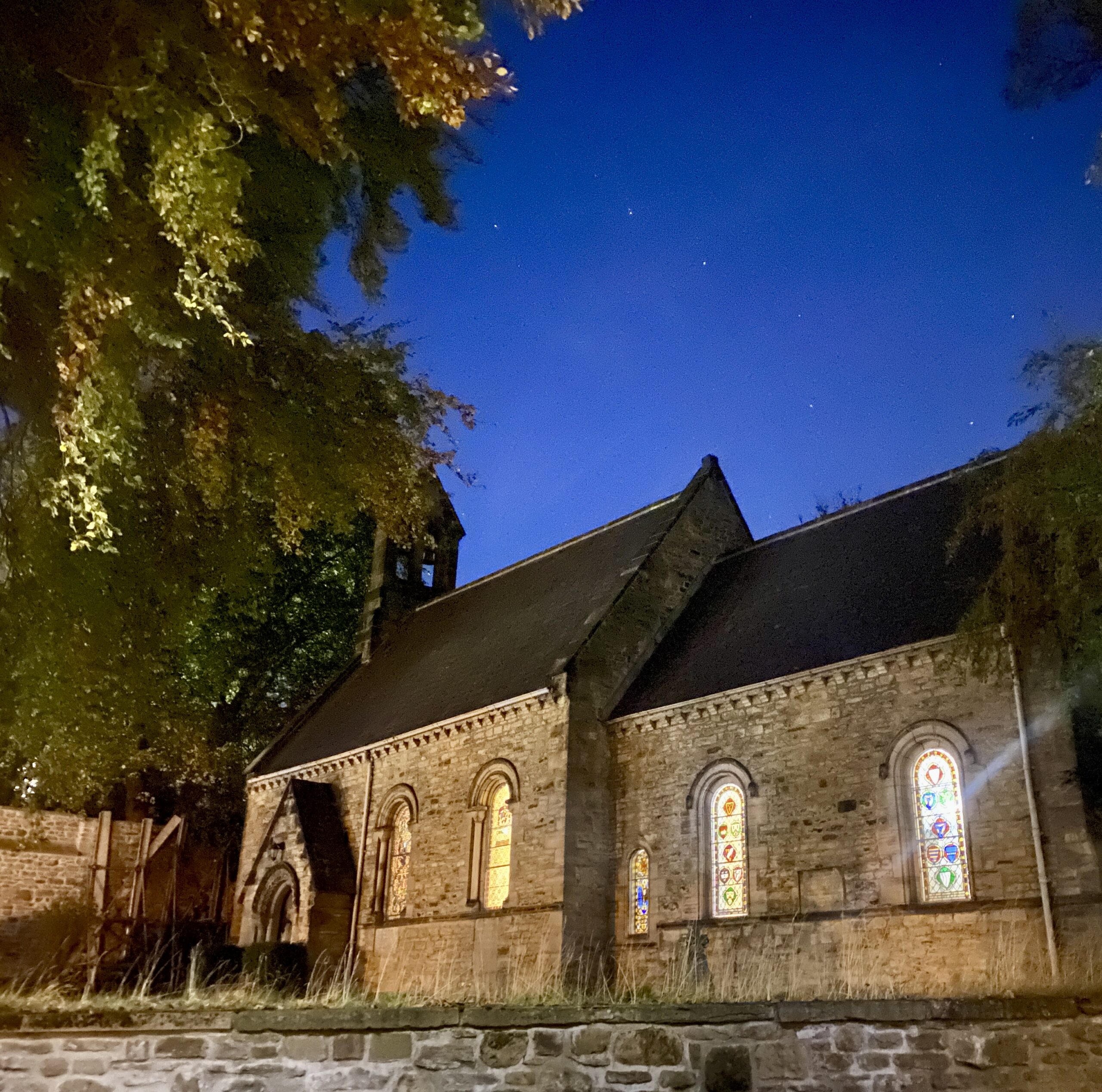
A visit to St John’s by The Corpus of Romanesque Sculpture has shed new light on a number of carved stones located within the Chapel grounds. The stones, provisionally dated to around 1130–1150, are believed to be of Norman origin and are now being assessed for inclusion within the organisation’s national record of Romanesque stonework across the British Isles.
The visit included detailed investigation of the stones and a wider inspection of the Chapel of St Mary-the-Less for surviving Norman-period features. While the exact origin of the stones remains unknown, historians believe they may hold important clues to the early medieval history of the Durham peninsula.
10 February 2026
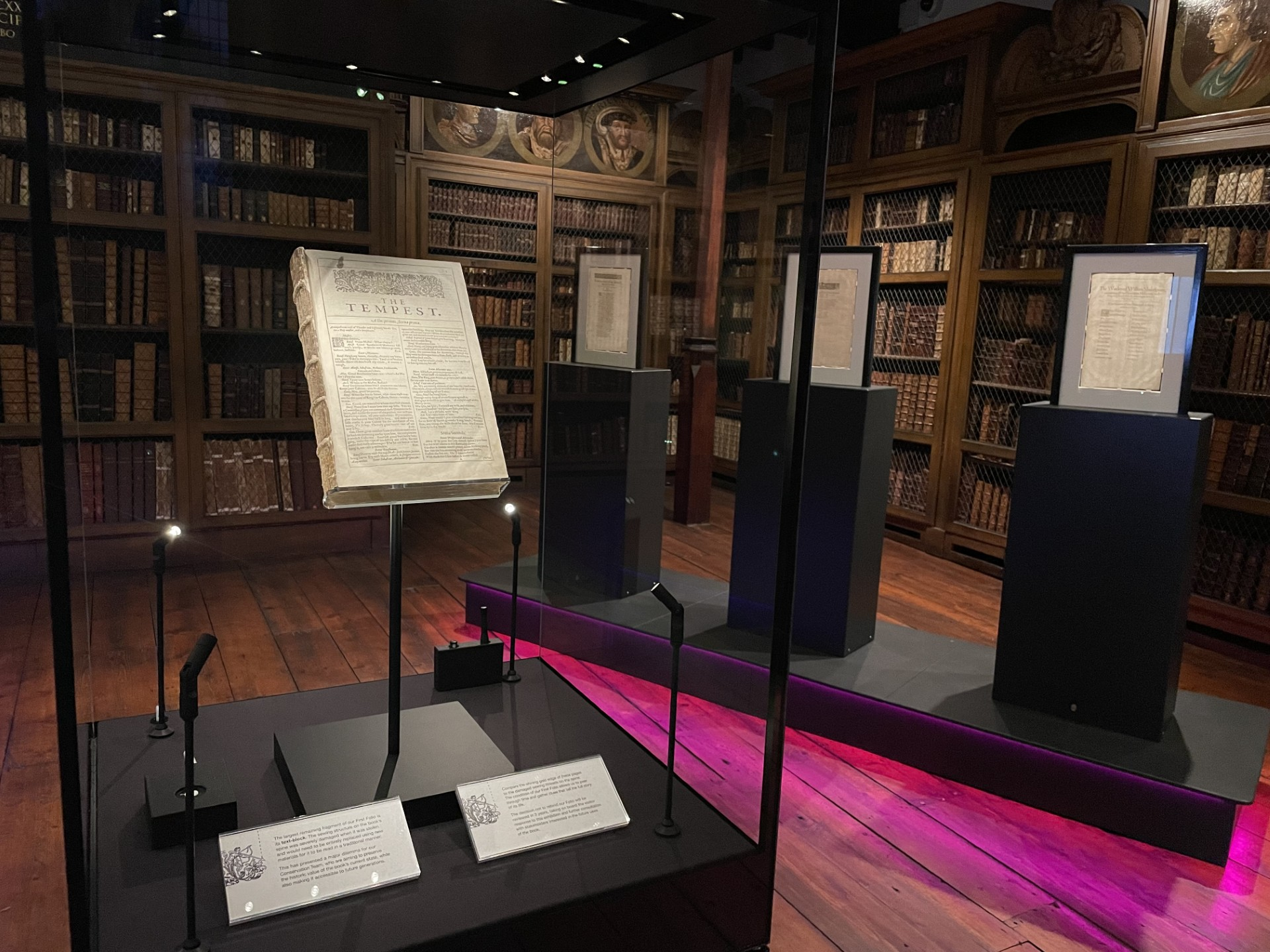
Arts and Culture Editor Anna Collins-Room reviews ‘Shakespeare Recovered’, the exhibition currently taking place at Durham’s Palace Green Library. With over 1000 years of history to its name, it’s no secret that Durham is home to some of the North East’s most interesting heritage and culture, and for those studying here, there’s no better opportunity […]
6 February 2026
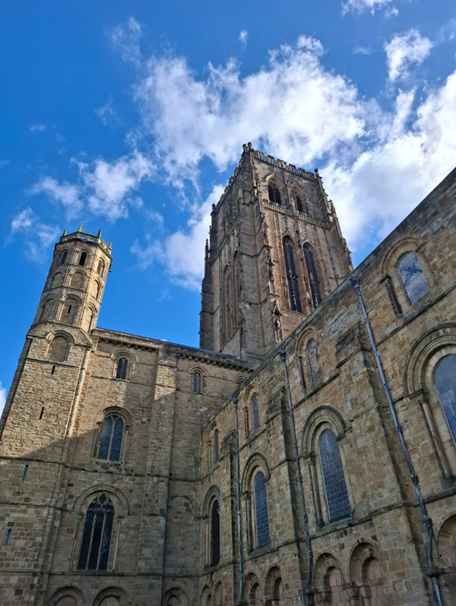
Arts and Culture Editor, Shravanee Amrute, examines the impact of Durham’s architecture on its culture, from theatre, to religion, to academic study, and ultimately on authority. The Durham architecture contributes to the evolution of culture and education where authority exists and is shaped by artistic and academic performance. It does not just operate as a […]
11 September 2023
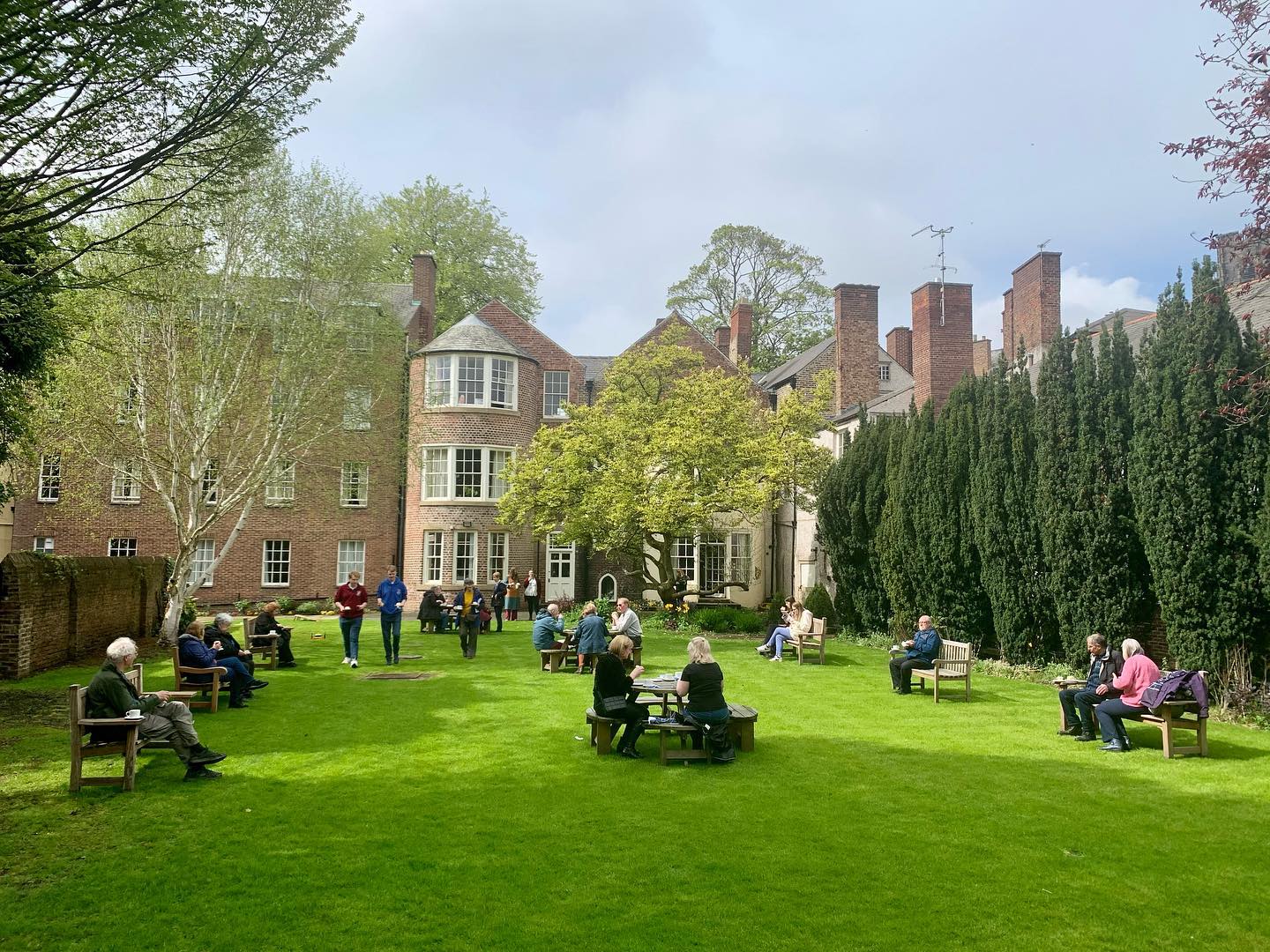
As we look forward to opening our doors as part of the national Heritage Open Days in September, Erin Munro reflects on our inaugural Secret Gardens of St John’s event. We held our first Secret Gardens of St John’s event on 5 May 2022, opening our beautiful and secluded gardens to the public. Over 80 […]


A weekend reunion centred around the year group who began in 2018
A weekend reunion centred around the year group who began in 2018
Search